Our planet is an amazing place, but it needs our help to thrive! That’s why each year on April 22, more than a billion people celebrate Earth Day to protect the planet from things like pollution and deforestation. By taking part in activities like picking up litter and planting trees, we’re making our world a happier, healthier place to live.
You can celebrate and protect the planet at the same time. Check out these Earth Day ideas to help save the planet any time of year.
BECOME A WASTE WARRIOR
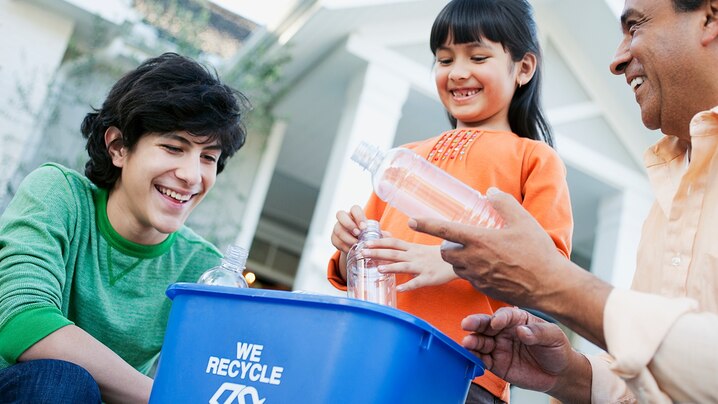
The number of garbage trucks Americans fill each year would stretch halfway to the moon. Toilet paper tubes, made from cardboard, take two months to decompose in a landfill. A plastic bottle sticks around for way longer—it can take over 450 years to break down! But instead of turning to the trash bin, you could turn these items into an awesome telescope or a flower planter. Before you throw something away, think about whether it can be recycled or repurposed. You can also limit waste by reducing the amount of things you buy. For example, check the library for that book you have to read before visiting the store.
PLANT A TREE
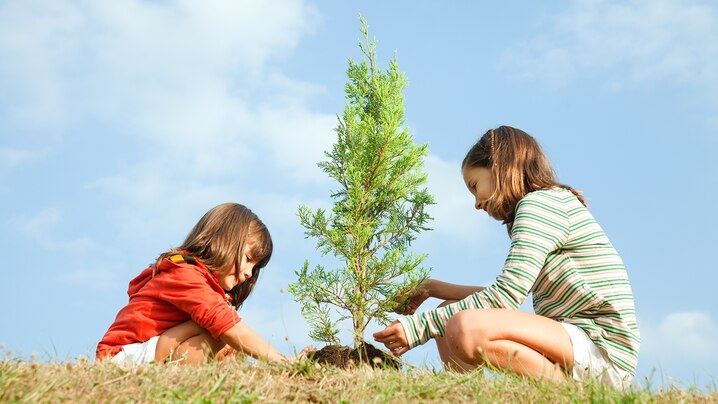
Researchers estimate roughly 15 billion trees in the world are cut down each year, so help offset that loss by planting a tree of your own. Trees absorb carbon dioxide and release oxygen for people to breathe. They also provide shelter and food for animals such as squirrels and owls. Depending on where trees are planted, their shade can even reduce the need for air-conditioning in hotter months. How many more reasons do you need to go green?
TURN OFF THE LIGHTS
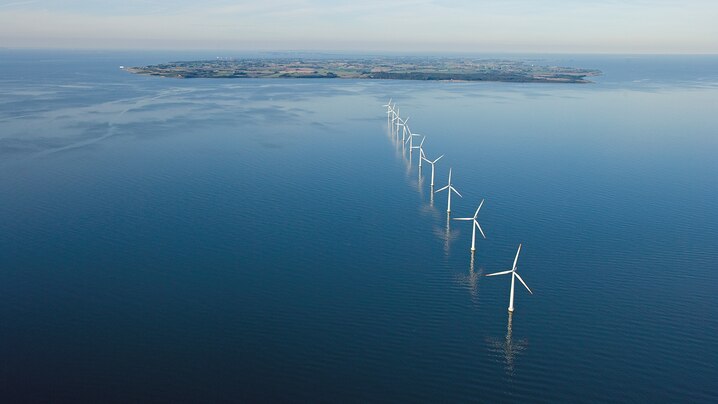
Does that lamp really need to be on while the sun is out? Electricity doesn’t just happen—it has to be produced from things around us. A lot of times it comes from fossil fuels (such as coal, oil, or natural gas) that contribute to climate change. But electricity can also be made from renewable sources like wind, water, the sun, and even elephant dung! No matter where it’s coming from, try conserving electrical energy by using only what you need.
LIMIT YOUR WATER USAGE
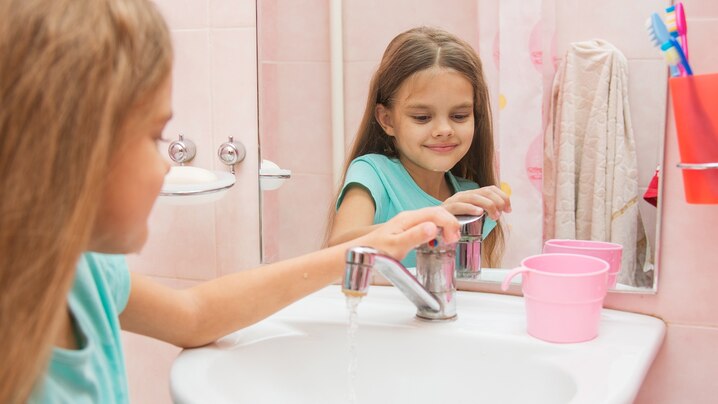
It might seem like it’s everywhere, but clean, drinkable water is a limited resource. In fact less than one percent of the water on Earth can be used by humans. (The rest is either too salty or too difficult to access.) Turning off the faucet when you brush your teeth can conserve up to eight gallons of water a day. To help save even more water, challenge yourself to take a shorter shower (but still get clean!).
OFFER YOUR TIME
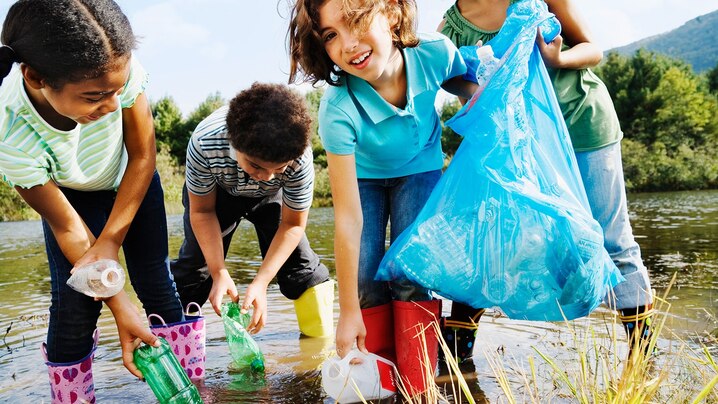
Volunteer to pick up trash at a nearby park, start a collection drive for recyclable items, or organize a screening of an environmentally themed movie. By getting involved and working with others, you’re not just helping the Earth—you’re making new friends too!
SPREAD THE MESSAGE
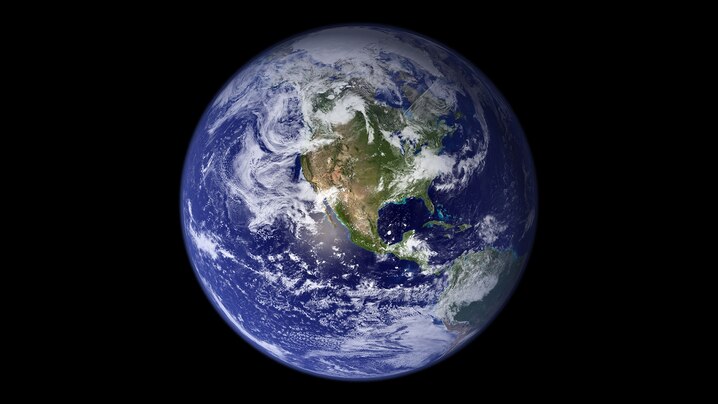
Tell your friends! The more people who treat the Earth well, the safer all its inhabitants will be.
Quiz: How Does Your Diet
Contribute to Climate Change?
There are many ways to calculate a foodprint. Whichever way you choose, foodprint calculators can help you understand how much your food choices impact the planet.
See how your food choices compare with those of other Americans. Here’s an easy food calculator. Have fun!
Adapted from National Geographic Kids; Quiz from NY Times