This gluten-free whole grain is packed with nutrients such as protein, zinc, fiber, folate, and antioxidants. It’s quick to prepare and can be incorporated into your diet in both sweet and savory dishes.
It has gained popularity as a health food in the United States and other Westernized countries, though people have cultivated it in South America since ancient times.
Hundreds of years ago, the Inca people considered this ancient grain a sacred food.
In the past couple of decades, its popularity has grown exponentially as the demand for easy-to-grow, nutritious, gluten-free grain alternatives has soared.
Not only is it nutrient-dense, but it may offer health benefits, too.
So, what is this mystery superfood?
The following outlines its many health benefits and offers tips for adding it to your diet.
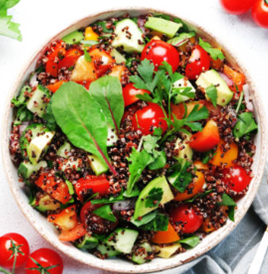
Quinoa: Packed with Nutrients
Quinoa is a grain crop grown for its edible seeds. These seeds are what we call quinoa. Although it’s usually grouped with cereal grains like oats and barley, quinoa is actually a pseudocereal grain.
Pseudocereal grains are seeds that are prepared and eaten similarly to grains. Examples include buckwheat and amaranth.
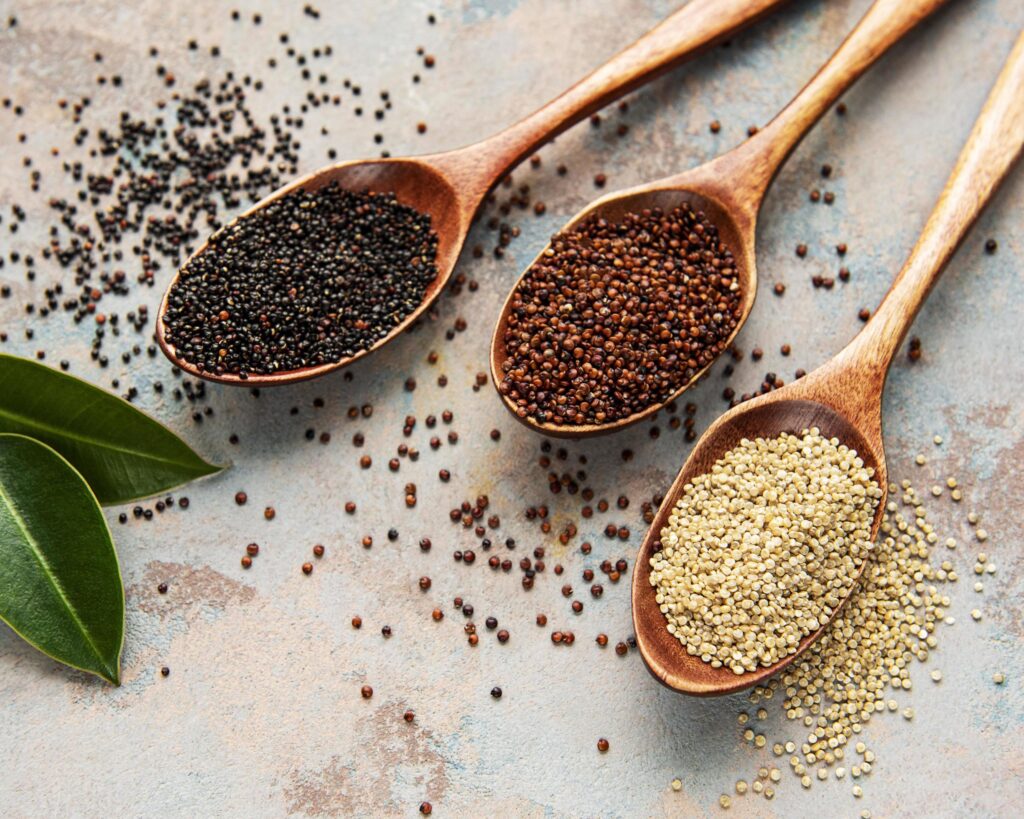
Different types of quinoa include black, red and white.
Here is the nutrient breakdown for 1 cup (185 grams) of cooked quinoa:
- Calories: 222
- Protein: 8 grams
- Fat: 3.55 grams
- Carbohydrates: 39 grams
- Fiber: 5 grams
- Folate: 19% of the daily value (DV)
- Vitamin B6: 13% of the DV
- Vitamin E: 8% of the DV
- Copper: 39% of the DV
- Iron: 15% of the DV
- Zinc: 18% of the DV
- Manganese: 51% of the DV
- Magnesium: 28% of the DV
- Potassium: 7% of the DV
- Phosphorus: 22% of the DV
Quinoa is a good source of several important nutrients, including folate, magnesium, zinc and iron.
It also contains fiber and protein, nutrients that help you feel satisfied after eating.
Quinoa contains antioxidants and anti-inflammatory plant compounds
Quinoa contains beneficial plant compounds, particularly the flavonoids quercetin and kaempferol. These antioxidants have anti-inflammatory properties and help protect cells from damage caused by free radicals. Eating flavonoid-rich foods like quinoa may support overall health and reduce the risk of disease.
Quinoa is naturally gluten-free
People with gluten intolerance must avoid grains that contain gluten, such as wheat, barley, and rye. Quinoa is naturally gluten-free and a nutritious alternative, though it’s important to check labels to ensure it hasn’t been cross-contaminated.
Quinoa is easy to incorporate into your diet
Quinoa is versatile, flavorful, and easy to add to meals, making it a sustainable long-term dietary choice. Some varieties need rinsing to remove bitter saponins, though many brands sell it pre-rinsed or sprouted to improve nutrient absorption. It’s widely available in health food stores and supermarkets.
Have your tried quinoa? What’s your favorite way of including it in your diet?
Important Note: Always consume organic quinoa to avoid synthetic pesticides and fertilizers used in conventional farming, supporting better environmental practices, and often delivering higher antioxidant levels, reducing risks for chronic diseases like diabetes and heart issues.
Source: adapted from Healthline