Today is Earth Day—an annual event celebrated every April 22. Founded by U.S. Senator Gaylord Nelson, it was first observed in 1970 as a nationwide effort across the United States before expanding globally in 1990. Today, Earth Day is recognized in more than 193 countries, with events coordinated worldwide by Earth Day Network.
Looking to make an impact today—and carry it forward all year long? Start with these 10 simple yet meaningful tips:
1. Make today meatless.
Everything we eat has an environmental footprint, from land and water use to energy consumption. Research from the World Resources Institute shows that foods like beans, nuts, eggs, and fish have a lower environmental impact than meat. Try going meat-free once a week and join the Meatless Monday movement.
2. Plant a tree.
Planting trees is one of the most effective ways to combat climate change. Deforestation contributes to biodiversity loss, poverty, and up to 15% of global greenhouse gas emissions. Even a small donation can help—many initiatives operate on a “one dollar, one tree” model.
3. Cut out disposable plastics.
Only a small fraction of plastic is properly recycled each year. The rest ends up polluting landfills and natural ecosystems. Switch to reusable options like glass or stainless steel to reduce your daily plastic use.
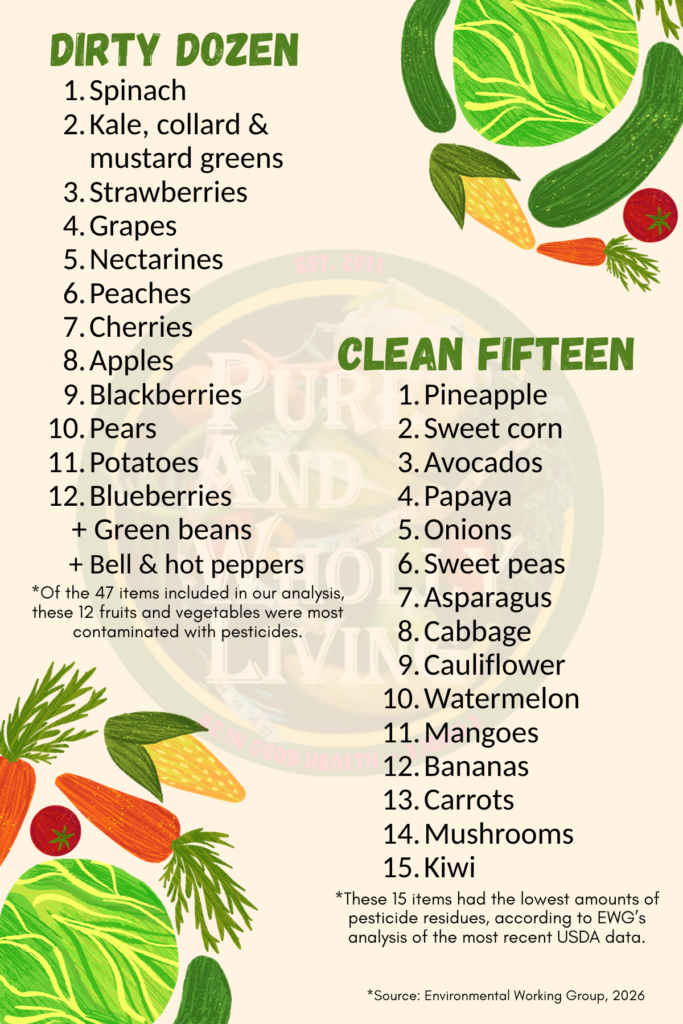
4. Be mindful of conventional produce.
Conventionally grown fruits and vegetables can contain higher levels of pesticides. When possible, choose organic and refer to guides like the Environmental Working Group’s Dirty Dozen and Clean Fifteen lists to make smarter choices.
5. Drink filtered water.
Tap water can contain contaminants such as lead, nitrates, and other unwanted substances. Using a quality water filter is a simple way to support both your health and reduce reliance on bottled water.
6. Skip synthetic air fresheners.
Many air fresheners contain chemicals linked to respiratory issues and other health concerns. Opt for natural alternatives like essential oils or simply open windows for fresh air.
7. Check your bathroom products.
Some personal care items contain ingredients like triclosan and certain antibacterial agents that may pose health risks. Read labels carefully and choose cleaner, safer options when possible.
8. Replace CFL bulbs with LEDs.
Compact fluorescent bulbs contain mercury and require careful disposal. LED bulbs are a safer, more energy-efficient alternative that lasts longer and reduces waste.
9. Be cautious with foam furniture.
Many foam-based products are treated with chemical flame retardants. Keep them covered and avoid adding extra chemical coatings to fabrics—quick cleanup and regular care work just as well.
10. Watch for lead and harmful paints.
Homes built before 1978 may contain lead-based paint. When updating, choose low-VOC paints and ensure proper ventilation to minimize exposure.
Small steps add up. Choose a few to start today, and build from there—your health and the planet will thank you.
Sources: Earth Day Network, National Public Radio, Environmental Working Group