
When you hear the words tropical fruit, your mind may immediately drift to sandy beaches, swaying palm trees, and colorful island vacations. But these vibrant fruits offer much more than an exotic escape—they’re packed with nutrients that can nourish your body from the inside out.
On Saturday, July 18, we celebrate National Tropical Fruit Day, a delicious reminder to enjoy some of nature’s sweetest gifts while giving your health a boost.
What Makes Tropical Fruit So Special?
Tropical fruits grow in warm, humid climates located between the Tropic of Cancer and the Tropic of Capricorn. Countries throughout Asia, Africa, Central and South America, and the Caribbean produce many of the world’s most flavorful tropical fruits.
These regions provide the perfect combination of sunshine, rainfall, and humidity that allows tropical plants to thrive naturally. Over centuries, these plants adapted to their environments, creating the incredible variety of fruits we enjoy today. Unlike many plants, tropical fruit often relies on animals to spread and replant its seeds, helping new plants grow throughout these tropical ecosystems.
While these fruits are everyday staples in many tropical countries, they often feel like a special treat here in the United States. Thankfully, many are now available year-round in grocery stores, making it easier than ever to enjoy their incredible flavor and nutrition.
Seven Tropical Fruits You Probably Already Love
Bananas

Bananas are one of the most popular fruits in the world—and for good reason. They’re rich in potassium, which supports healthy blood pressure, muscle function, and heart health. Bananas also provide fiber for digestive health and natural carbohydrates that make them an excellent source of sustained energy.
Coconuts
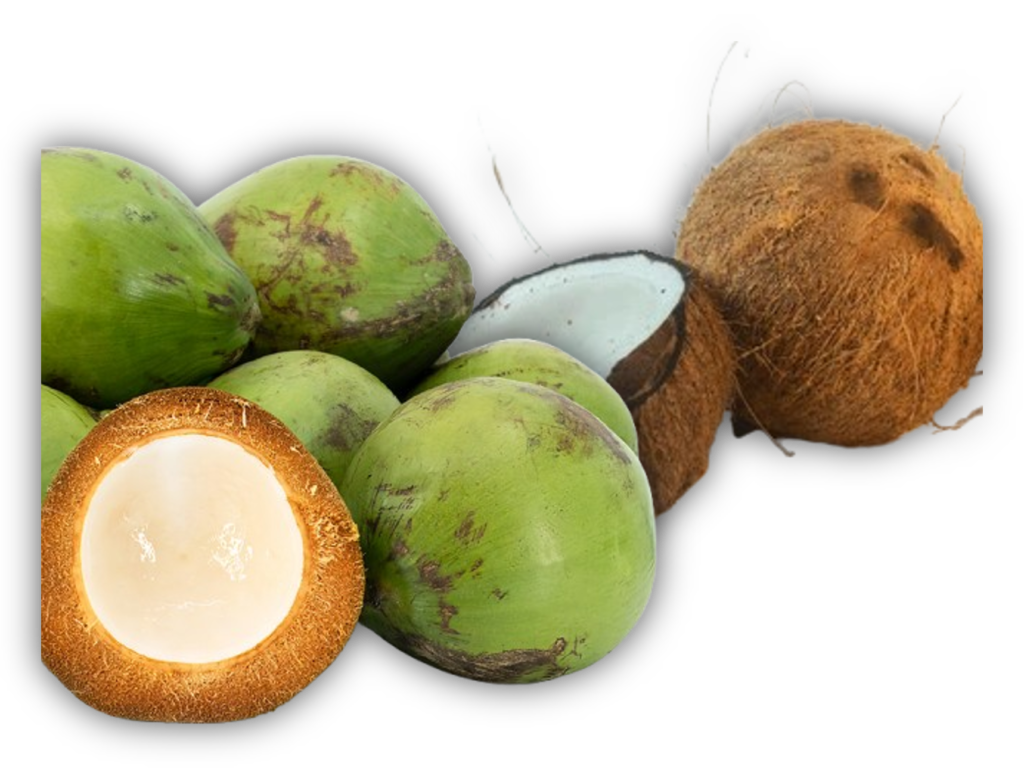
Coconuts are incredibly versatile. Coconut meat contains healthy fats and fiber that help keep you feeling satisfied, while coconut water naturally replenishes electrolytes after exercise or hot summer days. Just remember that moderation is key, since coconut is higher in calories than many other fruits.
Mangoes
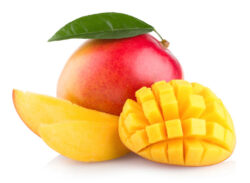
Often called the “king of fruits,” mangoes are loaded with vitamins A and C. Vitamin A supports healthy vision and immune function, while vitamin C helps strengthen the immune system and supports healthy skin by promoting collagen production. Mangoes also contain antioxidants that help fight inflammation.
Pineapples

Pineapple contains bromelain, a natural enzyme that helps digest protein and may reduce inflammation throughout the body. Combined with its high vitamin C content, pineapple supports immune health and may aid recovery after exercise.
Avocados
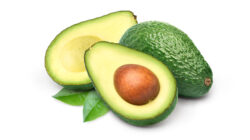
Although many people think of avocados as vegetables, they’re actually tropical fruits. They’re packed with heart-healthy monounsaturated fats, fiber, potassium, and folate. Avocados help support healthy cholesterol levels, nourish the brain, and keep you feeling full longer.
Kiwi

Don’t let its small size fool you. Kiwi is one of the richest sources of vitamin C and also provides vitamin K, vitamin E, potassium, and fiber. Eating kiwi may support immune health, digestion, and healthy skin while providing powerful antioxidants.
Papayas
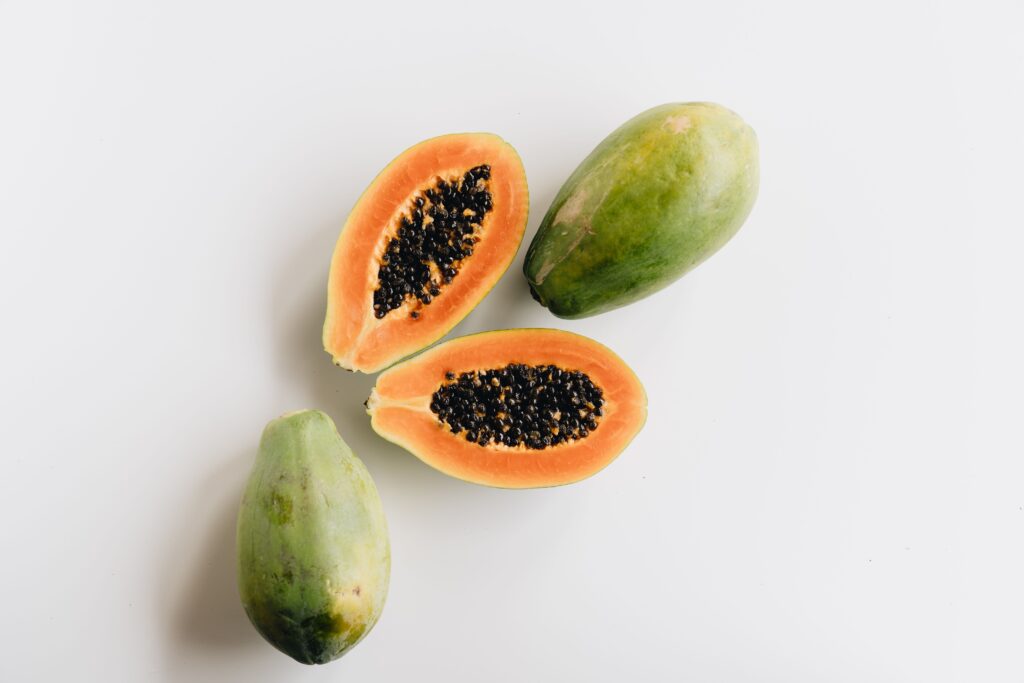
Papaya contains papain, another protein-digesting enzyme known for supporting healthy digestion. It’s also an excellent source of vitamins A and C, which help protect your cells from oxidative stress while supporting healthy eyesight and immune function.
Why Tropical Fruits Are Often Called Superfoods
Many tropical fruits have earned the title of superfood because they’re naturally rich in essential vitamins, minerals, antioxidants, and beneficial plant compounds.
Some of their biggest health benefits include:
- Supporting a healthy immune system with vitamin C.
- Helping regulate blood pressure thanks to potassium.
- Providing antioxidants that help combat oxidative stress.
- Containing natural enzymes that support digestion and may help reduce inflammation.
- Promoting heart health with fiber and healthy fats.
- Nourishing your body with essential vitamins and minerals.
Adding a variety of colorful fruits to your diet is one simple way to increase your intake of nutrients without sacrificing flavor.
Ways to Celebrate National Tropical Fruit Day
Looking for fun ways to join the celebration?
- Build a colorful tropical fruit platter for your family.
- Blend a refreshing tropical smoothie using several different fruits.
- Toss mango, pineapple, or avocado into a fresh summer salad.
- Grill pineapple, mango, or papaya for a naturally caramelized dessert or side dish.
- Create a Tropical Fruit Bucket List and challenge yourself to try a new tropical fruit every month.
- Share your favorite tropical fruit recipes or photos on social media using #NationalTropicalFruitDay.
A Sweet Reminder
God has filled His creation with an incredible variety of foods that nourish and sustain us. Tropical fruits are a beautiful example of how healthy eating can also be colorful, flavorful, and enjoyable.
Whether you enjoy a creamy avocado as guacamole, a juicy slice of pineapple, or a refreshing kiwi, you’re giving your body nutrients that support long-term wellness, especially this time of year
So this National Tropical Fruit Day, skip the processed snacks and let nature satisfy your sweet tooth. Your taste buds—and your body—will thank you.