9 Nutrient-Packed Foods That Support Healthy Aging
What if some of the best ways to support a longer, healthier life were already sitting in your kitchen?
The foods we eat every day can have a significant impact on how we age. Choosing nutrient-rich foods helps nourish our bodies, support brain and heart health, maintain energy, and protect against certain chronic diseases.
Although there is no magic food or one-size-fits-all longevity diet, research continues to highlight the benefits of eating foods rich in antioxidants, fiber, healthy fats, vitamins, and minerals. These nutrients help protect our cells, support essential body functions, and promote overall wellness throughout every stage of life.
The good news? You don’t need an expensive meal plan or exotic ingredients to get started. Many foods that support healthy aging are readily available at your local grocery store.
Let’s take a look at nine nutrient-dense foods worth adding to your plate.
How Do These Foods Support Healthy Aging?
As we get older, our bodies naturally undergo changes. Muscle mass may decline, bones can become weaker, and the risk of developing certain chronic conditions increases.
Nutrition plays an important role in supporting the body through these changes.
Foods rich in antioxidants help protect cells against oxidative stress, while fiber supports digestion, cholesterol management, and healthy blood sugar levels. Healthy fats contribute to cardiovascular and brain health, and protein helps maintain muscle mass.
Rather than focusing on one particular superfood, think about incorporating a variety of colorful, whole foods into your daily meals. Each offers a different combination of nutrients that work together to support your health.
1. Kimchi: Give Your Gut Some Love

Kimchi is a traditional Korean fermented vegetable dish, most commonly made with cabbage, radishes, garlic, ginger, and seasonings. Its bold flavor isn’t the only thing worth celebrating!
Kimchi contains beneficial bacteria, fiber, antioxidants, and nutrients such as vitamins A and C, iron, and potassium.
Because gut health is closely connected to immune function and overall wellness, fermented foods like kimchi can be a valuable addition to a balanced eating pattern. Its antioxidant content also helps protect cells from oxidative stress.
How to enjoy it: Add a small serving alongside your favorite meals, use it as a sandwich topping, or mix it into salads and grain bowls. Choose unpasteurized kimchi if you’re looking to benefit from its live cultures, and check the sodium content when shopping.
2. Turmeric: A Golden Addition to Your Diet
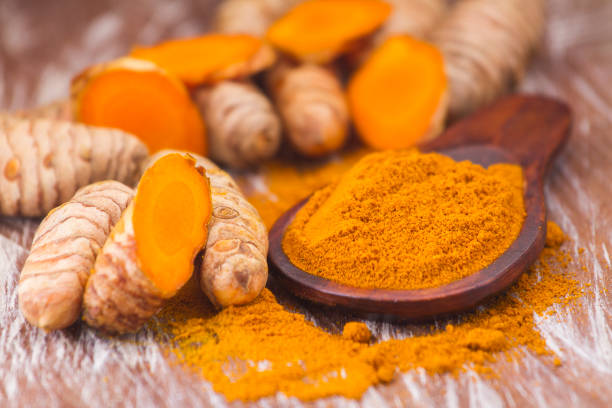
Turmeric is more than just a colorful spice in your kitchen cabinet. It contains curcumin, a naturally occurring plant compound known for its antioxidant and anti-inflammatory properties.
Oxidative stress and chronic inflammation are associated with several age-related health conditions. Curcumin has been studied for its potential role in supporting joint health, brain function, and overall wellness.
One helpful kitchen tip: Pair turmeric with a pinch of black pepper. Black pepper contains piperine, a compound that can significantly increase curcumin absorption.
How to enjoy it: Sprinkle turmeric into soups, roasted vegetables, rice dishes, and homemade salad dressings. You can also add it to a warm, unsweetened plant-based milk beverage.
3. Blueberries: Small Berries, Big Benefits

Don’t underestimate these little blue gems! Blueberries are packed with antioxidants, particularly anthocyanins, the plant compounds responsible for their deep blue-purple color.
They also provide vitamin C, vitamin K, manganese, and dietary fiber.
Research has associated diets rich in anthocyanins with better cardiovascular health and a reduced risk of certain metabolic conditions. Their antioxidant properties may also help protect cells from damage associated with aging.
How to enjoy them: Add fresh or frozen blueberries to oatmeal, smoothies, yogurt, or homemade fruit salads. You can also enjoy them by the handful as a naturally sweet snack.
4. Avocados: Healthy Fats for a Healthy Heart
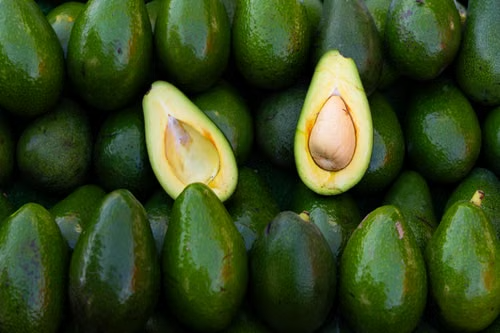
Creamy, satisfying, and incredibly versatile, avocados offer much more than great flavor.
They are rich in monounsaturated fats, particularly oleic acid, which can help support healthy cholesterol levels when used in place of less healthy fats. Avocados also provide dietary fiber, potassium, folate, and vitamins E and K.
The combination of healthy fats and antioxidants makes avocados a heart-friendly addition to a balanced diet. Their vitamin E content also contributes to protecting cells from oxidative stress.
How to enjoy them: Spread mashed avocado on whole-grain toast, add slices to salads, blend into smoothies, or make a fresh batch of guacamole. Just remember that portion sizes still matter because avocados are calorie-dense.
5. Spinach: Leafy Green Nutrition
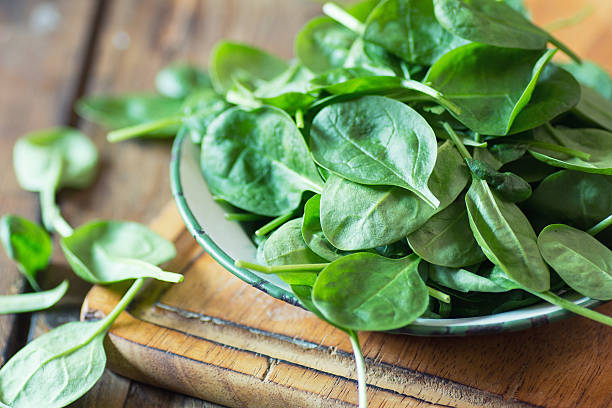
Spinach is one leafy green you don’t want to overlook. This nutritional powerhouse provides iron, magnesium, folate, potassium, and vitamins A, C, and K.
It also contains two important antioxidants, lutein and zeaxanthin, which help protect eye health and may reduce the risk of age-related vision problems.
Spinach’s vitamin K content supports normal blood clotting and bone health, while its iron contributes to healthy red blood cell production.
How to enjoy it: Add fresh spinach to salads, smoothies, omelets, soups, or sautéed vegetable dishes. Here’s a helpful tip: Pair spinach with vitamin C-rich foods like bell peppers, strawberries, or citrus fruits to improve the absorption of its plant-based iron.
6. Kale: A Nutrient-Rich Green Worth Eating
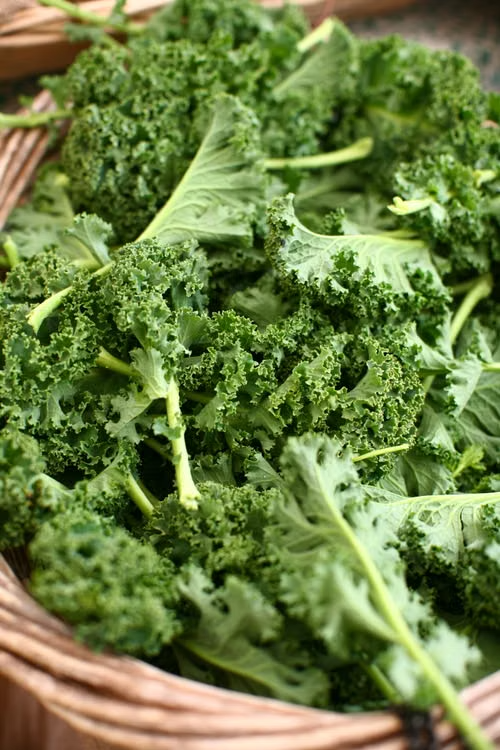
Kale has earned its reputation as a nutrient-dense vegetable, and for good reason!
This leafy green contains vitamins A, C, and K, along with manganese, calcium, potassium, and magnesium. These nutrients play important roles in immune function, bone health, muscle function, and cellular protection.
Kale also contains antioxidants that help protect the body against oxidative stress. Its vitamin K and calcium content make it a particularly useful addition to a diet focused on maintaining strong bones as we age.
How to enjoy it: Toss kale into salads, add it to soups, blend it into smoothies, or lightly sauté it with garlic and olive oil. If raw kale seems a little too tough, massage the leaves with a small amount of olive oil and lemon juice to soften them.
7. Lentils: Plant-Based Protein Power
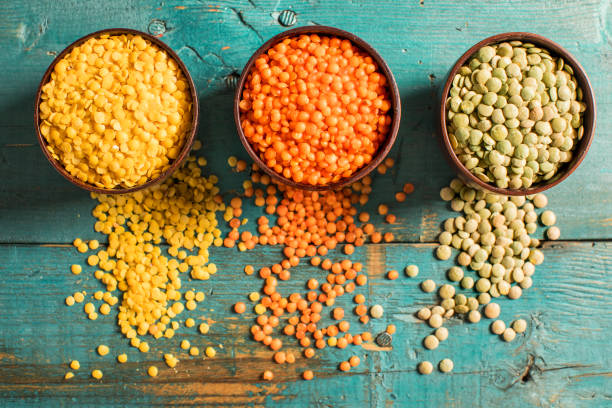
If you’re looking for an affordable, satisfying food that delivers plenty of nutrition, lentils deserve a spot in your pantry.
These little legumes provide plant-based protein, dietary fiber, folate, iron, magnesium, potassium, and zinc. They also contain polyphenols and other beneficial plant compounds with antioxidant properties.
Their fiber content supports digestive health and can help maintain healthy cholesterol and blood sugar levels. Meanwhile, their protein helps support muscle maintenance, which becomes increasingly important as we age.
Lentils are also a good source of iron and folate, nutrients needed for healthy blood cell production and normal energy metabolism.
How to enjoy them: Add lentils to vegetable soups, salads, stews, and grain bowls. You can also use them as a plant-based substitute for ground meat in tacos, pasta sauces, and other favorite recipes.
For easier digestion and a better texture, rinse lentils before cooking and avoid overcooking them.
8. Chia Seeds: Tiny Seeds, Impressive Nutrition
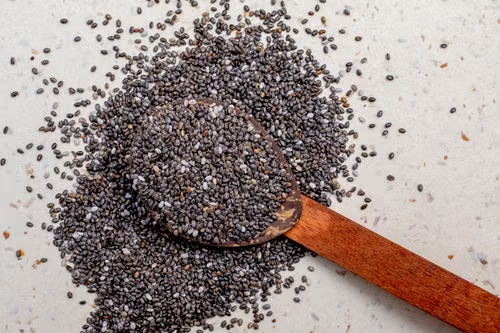
These tiny seeds pack quite a nutritional punch!
Chia seeds are an excellent source of fiber and provide plant-based omega-3 fatty acids, protein, calcium, magnesium, and antioxidants.
Their fiber content supports digestive health and helps promote fullness. The omega-3 fatty acid ALA contributes to cardiovascular health, while calcium and magnesium support strong bones and normal muscle function.
Chia seeds also absorb liquid and develop a gel-like consistency, making them a wonderful ingredient for creating satisfying meals and snacks.
How to enjoy them: Sprinkle chia seeds over oatmeal, yogurt, or fruit. Blend them into smoothies, or combine them with your favorite plant-based milk to make chia pudding. Allow them to absorb liquid before eating, rather than swallowing large amounts of dry chia seeds.
9. Tempeh: A Protein-Packed Plant-Based Option
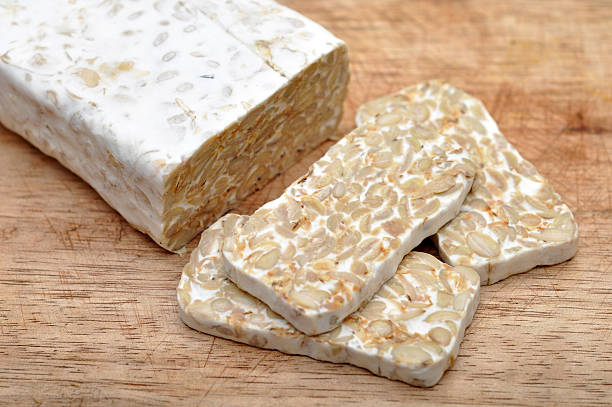
Looking for another way to add plant-based protein to your meals? Give tempeh a try!
Tempeh is made from fermented soybeans and offers an impressive combination of protein, fiber, iron, magnesium, calcium, and other essential nutrients.
Its high protein content helps support muscle maintenance, while its minerals contribute to bone health and normal body function. Because tempeh is fermented, it may also offer benefits for digestive health, although the amount of live beneficial bacteria depends on how the product is processed and cooked.
One of its biggest advantages is versatility. Tempeh readily absorbs seasonings and marinades, making it easy to incorporate into a variety of meals.
How to enjoy it: Slice and grill tempeh for sandwiches, crumble it into tacos, or add it to stir-fries, pasta sauces, and grain bowls. Experiment with different herbs, spices, and marinades to find your favorite combination.
Healthy Aging Starts With Your Everyday Choices
While these nine foods offer an impressive range of nutrients, remember that no single food can prevent aging or guarantee a longer life. It’s your overall lifestyle and eating habits that make the biggest difference.
Here are a few simple ways to start building healthier habits:
- Eat more fruits and vegetables: Aim for a colorful variety of produce throughout the day.
- Choose whole grains: Replace refined grains with options like oats, quinoa, brown rice, and whole-grain bread.
- Include plant-based proteins: Add beans, lentils, nuts, seeds, and other nutrient-rich protein sources to your meals.
- Be mindful of added sugar: Reduce sugary drinks, processed sweets, and foods with excessive added sugars.
- Prioritize healthy fats: Choose foods like avocados, nuts, seeds, and extra virgin olive oil.
- Stay hydrated: Drink enough water throughout the day to support normal body functions.
- Keep moving: Regular physical activity, including strength-building exercises, helps maintain muscle, bone strength, and cardiovascular health.
A Final Thought
Healthy aging isn’t about chasing the latest superfood trend or completely changing everything you eat overnight. It’s about making consistent, intentional choices that nourish your body over time.
Start by adding one or two of these foods to your weekly grocery list. Experiment with new recipes, enjoy a variety of whole foods, and give your body the nourishment it needs to thrive.
After all, the goal isn’t simply to live longer. It’s to live well along the way!