Every year on June 17th, we celebrate National Eat Your Vegetables Day, right in the middle of National Fresh Fruit and Vegetables Month. While vegetables may not always get the same attention as trendy superfoods, they have quietly earned their place as one of the most important foods for supporting long-term health.
Today’s celebration is a reminder that eating more vegetables doesn’t have to be complicated. Whether they are roasted, steamed, sautéed, blended into soups, tossed into salads, or enjoyed as crunchy snacks, vegetables provide a wide range of nutrients that help the body function at its best.
Why Vegetables Matter
Vegetables are nutritional powerhouses packed with vitamins, minerals, fiber, and protective plant compounds that support nearly every system in the body. Making them a regular part of your meals can contribute to better overall health and may help reduce the risk of certain chronic diseases.
Some of the key nutrients found in vegetables include:
- Vitamin A for healthy vision, immune function, and skin health
- Vitamin K for proper blood clotting and bone health
- Vitamin B6 for energy metabolism and brain function
- Dietary minerals that support muscles, nerves, and cellular health
- Carbohydrates that provide the body with energy
- Fiber to support healthy digestion and gastrointestinal function
- Phytochemicals, naturally occurring plant compounds with antioxidant, antibacterial, antifungal, antiviral, and anticarcinogenic properties
These nutrients work together to nourish the body in ways that supplements simply cannot replicate.
Eat the Rainbow
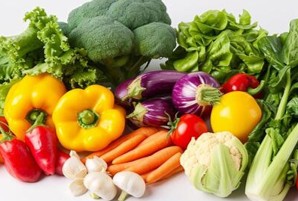
One of the easiest ways to maximize the benefits of vegetables is to eat a variety of colors. Different colored vegetables contain different nutrients and protective plant compounds that support overall health.
Try adding colorful choices such as red peppers, beets, sweet potatoes, broccoli, carrots, and leafy greens to your meals throughout the week. The more colorful your plate, the more diverse the nutrients you’re likely to consume.
More Than Just Nutrition
A vegetable-rich diet has benefits that extend far beyond meeting daily nutrient requirements.
Research has shown that diets rich in fruits and vegetables may:
- Support healthy bones and help decrease bone loss
- Help protect against certain types of cancer
- Promote digestive health
- Support heart health
- Help maintain healthy blood pressure levels
- Reduce the risk of kidney stone formation due to their potassium content
In short, every serving is an investment in your future health.
How Much Should You Eat?
According to the USDA Dietary Guidelines for Americans, most adults should aim for 3 to 5 servings of vegetables each day, though individual needs vary based on age, gender, and activity level.
One serving is generally equal to:
- ½ cup cooked vegetables
- 1 cup raw vegetables
- 1 cup leafy greens
The good news? Those servings add up quickly when vegetables are included throughout the day.
Easy Ways to Eat More Vegetables
If you’re struggling to reach your daily goal, try these simple strategies:
- Add spinach, kale, or watercress to smoothies or your morning eggs.
- Include sliced vegetables with hummus for snacks.
- Choose crunchy vegetables like carrots instead of reaching for a candy bar.
- Enjoy baked veggie chips for a satisfying snack.
- Fill half your plate with vegetables at lunch and dinner.
- Roast sweet potatoes, carrots, and beets for a naturally sweet side dish.
- Replace French fries with a side salad.
- Swap a regular baked potato for a nutrient-rich sweet potato.
- Add extra vegetables to soups, stews, and casseroles.
- Keep pre-cut vegetables in the refrigerator for easy access.
Small changes made consistently can have a powerful impact on your health over time.
Support Local Farmers
National Eat Your Vegetables Day is also a great opportunity to support local farmers. Purchasing seasonal produce from local farms or farmers’ markets often means you’re getting vegetables at their peak freshness and flavor.
Shopping locally can also help reduce the distance food travels from farm to table, making it a more environmentally friendly choice while supporting your local agricultural community.
The Bottom Line
National Eat Your Vegetables Day isn’t about perfection—it’s about making a conscious choice to nourish your body with foods that support health, energy, and vitality.
Today, challenge yourself to add an extra serving of vegetables to your plate. Your body will thank you for it.
After all, good health isn’t built in a day, but it is built one bite at a time.